



Sumac, Za’atar and Tahini: The Pantry Behind Our Kitchen
Mediterranean cooking is not complicated so much as specific. A relatively small pantry, used confidently, produces most of what you meet on the table. These are the ingredients worth knowing.
Tahini
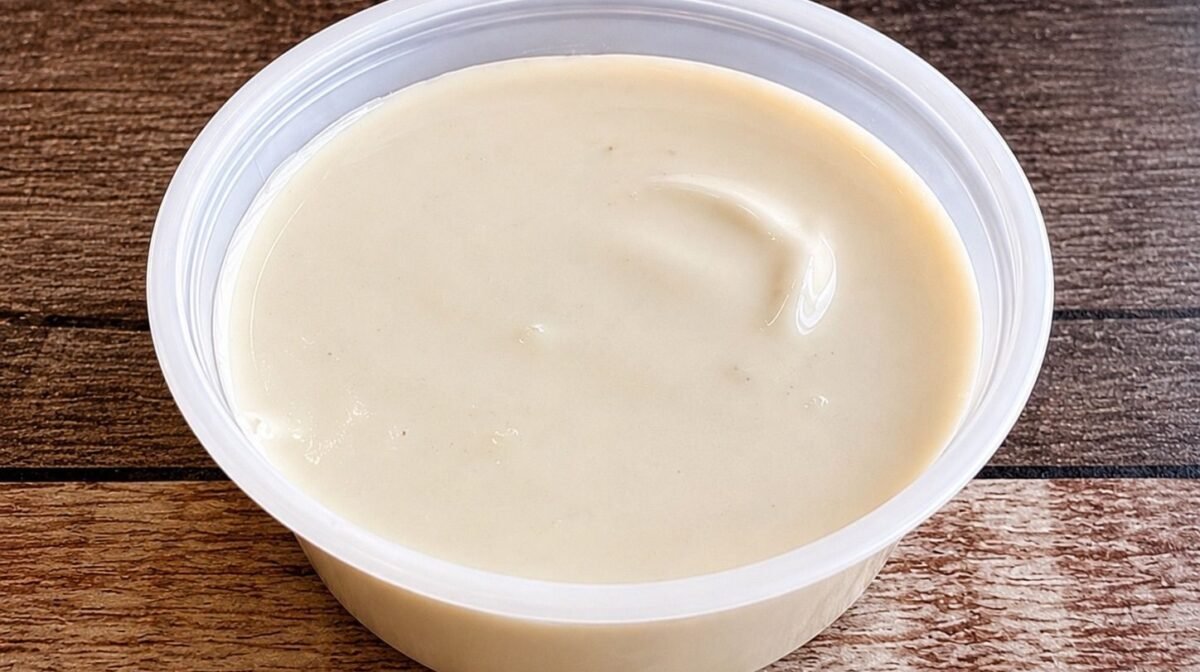
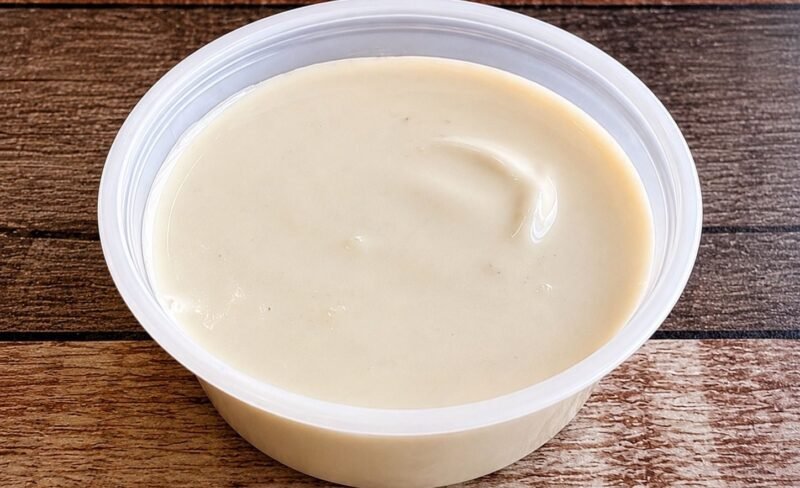
Ground sesame seeds, and nothing else in a good jar. It is bitter on its own and transforms completely when you add lemon and water — it lightens in colour, loosens, and turns nutty and savoury.
Where a Western kitchen would reach for lemon, a Levantine one often reaches for sumac.
It binds hummus, forms the base of baba ghanoush, becomes the sauce for baked kafta and fish, and thinned further it dresses salads. If one ingredient defines the region’s cooking, this is it.
Sumac
A dark red berry, dried and ground to a coarse powder. It is sour, but a fruity, rounded sourness rather than the sharp hit of vinegar.
It goes over fattoush, onions, grilled chicken, roasted vegetables and hummus. Where a Western kitchen would reach for lemon, a Levantine one often reaches for sumac.
Za’atar
A blend rather than a single herb: dried thyme or oregano, toasted sesame seeds, sumac and salt, with the proportions varying from family to family.
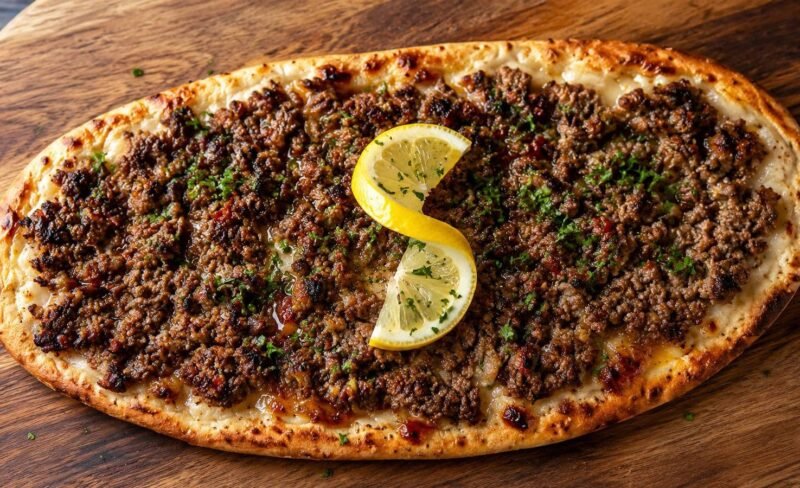
Mixed with olive oil it is spread on dough and baked into thyme flatbread — breakfast across much of the Levant. It also works scattered on labneh, eggs or roasted potatoes.
Pomegranate molasses
Pomegranate juice reduced until it is thick, dark and syrupy. Sweet and sharp at the same time. It gives muhammara its depth, dresses salads, and glazes roasted meat.
A little goes a long way. It is one of the few ingredients here that will overwhelm a dish if you are heavy-handed.
Olive oil
Not a cooking medium so much as a finishing ingredient. Dips are served with a pool of it on top, salads are dressed with it, bread is dipped in it.
Use a decent one for finishing even if you cook with something cheaper. The difference is immediately obvious on a plate of hummus.
Building the pantry
Buy tahini, sumac and za’atar first. With those three, plus lemons, garlic, olive oil and good bread, you can put a genuine mezze table together in an afternoon. Everything else is refinement.